Please wait while we redirect you to the booking page.

form header

Request a Demo

This field is for validation purposes and should be left unchanged.
This form collects information we will use to send you updates about promotions, special offers and news. We will not share or sell your personal information. You can unsubscribe at any time. Privacy Policy
By submitting your information, you agree to these Terms & Conditions.

Product Overview

Understand the behavior-first platform

Try a Demo

Experience Ringorang in action

Tailored Solutions for Every Need

Start with the audience that matters most to you

Plug & Play Programs

Future Ready Solution

Workforce readiness for education

Leadership & Self-Mastery

Confident, intelligent leaders

All Resources

Latest news, insights, and learning materials

Case Studies

Real success stories and results

Conferences

Future Ready Conference and events

Important Links

Quick access to legal, support, and platform info

White Papers

Coming soon

Webinars

Coming soon

Our Team

Meet the people behind Ringorang

form header

News & Insights

Complete the form to sign up for Ringorang’s monthly enewsletter.

Learning News and Insights

Enewsletter Signup

This field is for validation purposes and should be left unchanged.
This form collects information we will use to send you updates about promotions, special offers and news. We will not share or sell your personal information. You can unsubscribe at any time. Privacy Policy
By submitting your information, you agree to these Terms & Conditions.

Utilities

Puget Sound Energy: Zero-Fine Compliance Achievement

Zero Fines

Audit Result

perfect compliance

100%

Employee Compliance

CIP requirements

Enhanced

Security Awareness

organization-wide

Improved

Incident Response

faster reaction times

Challenge

PSE faced a Critical Information Protection (CIP) audit that could result in substantial regulatory fines if employees weren't properly trained on compliance protocols and cybersecurity measures.

Solution

Deployed Ringorang's compliance training program focusing on daily reinforcement of CIP requirements, cybersecurity awareness, and critical infrastructure protection protocols.

Key Results

Executive Summary

Puget Sound Energy (PSE) achieved perfect compliance during their Critical Information Protection (CIP) audit, receiving zero fines through Ringorang’s comprehensive compliance training program that built lasting cybersecurity awareness and protection habits.
Company Background

Puget Sound Energy is the largest electric utility in Washington State, serving over 1.1 million electric customers and 860,000 natural gas customers. As a critical infrastructure provider, PSE must comply with stringent NERC CIP (North American Electric Reliability Corporation Critical Infrastructure Protection) standards.
The Compliance Challenge

PSE faced a high-stakes Critical Information Protection audit with significant regulatory and financial implications:
Regulatory Requirements

Complex NERC CIP standards covering cybersecurity
Personnel security and training requirements
Physical security and access controls
Information protection and incident response

Audit Risk

Potential for substantial regulatory fines
Mandatory corrective actions if violations found
Reputation impact in utility industry
Possible operational restrictions

Training Complexity

Multiple CIP standards to address
Diverse employee roles and responsibilities
Technical cybersecurity concepts
Need for behavioral change, not just knowledge

Solution Design

PSE implemented a comprehensive CIP compliance program using Ringorang’s nanolearning methodology:
Risk-Based Training Approach

Identified highest-risk compliance areas
Prioritized training based on audit likelihood
Customized content for different employee roles
Focused on behavior change, not just awareness

Daily Reinforcement Strategy

3-minute daily compliance reminders
Scenario-based cybersecurity training
Regular policy updates and clarifications
Incident response procedure practice

Comprehensive Content Coverage

Physical security protocols
Cybersecurity best practices
Personnel security requirements
Information protection standards
Incident identification and reporting

Implementation Framework
Phase 1: Foundation Building (Months 1-2)

CIP standards overview and importance
Employee roles and responsibilities
Basic cybersecurity awareness
Physical security fundamentals

Phase 2: Skill Development (Months 3-4)

Advanced cybersecurity practices
Incident identification and response
Information handling and protection
Access control procedures

Phase 3: Mastery and Readiness (Months 5-6)

Complex scenario training
Audit preparation and confidence building
Policy exception handling
Cross-functional coordination

Training Delivery Methods
Nanolearning Modules

Daily 3-minute focused sessions
Real-world cybersecurity scenarios
Interactive decision-making exercises
Immediate feedback and reinforcement

Role-Specific Content

Customized training for different job functions
Relevant examples for each department
Specific compliance requirements by role
Targeted skill development

Continuous Reinforcement

Weekly policy reminders
Monthly compliance assessments
Quarterly scenario-based exercises
Ongoing feedback and improvement

Audit Preparation Strategy
Documentation Readiness

Complete training records for all personnel
Competency assessment results
Compliance behavior tracking
Continuous improvement documentation

Employee Confidence

Regular practice with audit-style questions
Scenario-based interview preparation
Policy knowledge verification
Stress management during audit process

Process Verification

Mock audit exercises
Compliance process testing
Incident response drills
Documentation review procedures

Exceptional Results
Perfect Audit Outcome

Zero fines assessed during CIP audit
No violations identified by auditors
Commendation for comprehensive compliance program
Industry recognition for cybersecurity excellence

Employee Performance

100% compliance with CIP requirements
Enhanced cybersecurity awareness across organization
Improved incident identification and response
Increased confidence in handling sensitive information

Organizational Benefits

Strengthened cybersecurity culture
Reduced risk of future violations
Enhanced reputation with regulators
Improved operational security posture

Employee Testimonials

“The daily training made CIP compliance second nature. During the audit, I felt completely confident answering questions about our cybersecurity procedures.”
– IT Security Specialist, PSE

“Instead of cramming before the audit, the nanolearning approach built my knowledge gradually. I understood not just what to do, but why it was important.”
– Operations Manager, PSE

Management Perspective

“Achieving zero fines in our CIP audit was a tremendous accomplishment. The nanolearning approach created a compliance culture that went far beyond just passing the audit.”
– Compliance Director, PSE

Auditor Feedback

“PSE demonstrated one of the most comprehensive and effective compliance training programs we’ve encountered. Employee knowledge and commitment to cybersecurity was evident throughout our review.”
– NERC CIP Auditor

Sustained Compliance Culture

The program’s impact extended well beyond the audit:

Ongoing compliance behavior maintenance
Proactive cybersecurity incident reporting
Employee-driven process improvements
Enhanced security awareness in daily operations
Reduced cybersecurity-related incidents

Industry Impact

PSE’s success has influenced the broader utility industry:

Case study presented at utility industry conferences
Best practices shared with other utilities
Regulatory recognition for innovative training approach
Model for effective CIP compliance programs

Return on Investment

The program delivered exceptional ROI through:

Avoidance of potentially millions in regulatory fines
Reduced cybersecurity risk and incident costs
Enhanced operational efficiency
Improved regulatory relationship
Strengthened competitive positioning

Conclusion

PSE’s achievement of zero fines in their Critical Information Protection audit demonstrates the power of sustained, behavior-focused compliance training. By using Ringorang’s nanolearning approach, PSE not only passed their audit flawlessly but created a lasting culture of cybersecurity awareness and compliance that continues to protect their critical infrastructure operations.

This success proves that strategic investment in employee training can deliver both regulatory compliance and operational excellence, while avoiding the substantial costs and disruption of compliance violations.

Client: Puget Sound Energy (PSE) • Industry: Utilities

Utilities

Arizona Public Service: Systems Training Excellence

400+

Employees Trained

successful completion

Maintained

NPS Impact

no decline during transition

Achieved

Cost Recovery

regulatory compliance

Sustained

Service Quality

minimal disruption

Challenge

APS needed to train over 400 employees on new Oracle customer systems as part of a critical change management initiative to prevent Net Promoter Score decline and ensure cost recovery.

Solution

Implemented comprehensive systems training using Ringorang's nanolearning platform to ensure smooth transition to new Oracle systems while maintaining customer service quality.

Key Results

Executive Summary

Arizona Public Service (APS) successfully trained over 400 employees on new Oracle customer systems using Ringorang’s nanolearning platform, preventing potential Net Promoter Score decline and ensuring regulatory cost recovery during a critical system transition.
Company Background

Arizona Public Service is the largest electric utility in Arizona, serving over 1.3 million customers. As a regulated utility, APS must maintain high customer satisfaction levels and demonstrate cost-effective operations to ensure regulatory cost recovery.
The Challenge

APS faced a critical challenge with the implementation of new Oracle customer systems:
System Complexity

Complex Oracle interface with multiple modules
Integration with existing utility billing systems
Customer service workflow changes
Real-time data access requirements

Scale and Timeline

400+ customer service representatives to train
Limited implementation timeline
Cannot afford customer service disruption
Must maintain service quality during transition

Business Risk

Potential Net Promoter Score decline
Risk to regulatory cost recovery
Customer satisfaction impact
Operational efficiency concerns

Solution Strategy

APS implemented a comprehensive systems training program using Ringorang’s proven methodology:
Progressive Skill Building

Fundamental Oracle navigation training
Customer account management workflows
Billing and payment processing
Troubleshooting and problem resolution

Nanolearning Approach

Daily 5-minute training sessions
Just-in-time learning for specific tasks
Scenario-based practice exercises
Progressive complexity building

Change Management Integration

Alignment with broader change management strategy
Communication of benefits and rationale
Support for employee concerns and questions
Reinforcement of company values during transition

Implementation Framework
Phase 1: Foundation (Month 1)

Oracle system navigation and basic functionality
Login procedures and security protocols
Customer data access and privacy compliance
Basic customer inquiry handling

Phase 2: Skill Development (Month 2)

Advanced customer account management
Billing inquiry resolution
Payment processing and account adjustments
Service order creation and tracking

Phase 3: Mastery and Optimization (Month 3)

Complex problem-solving scenarios
Multi-system integration workflows
Customer escalation handling
Performance optimization techniques

Training Delivery Methods
Daily Nanolearning Sessions

5-minute focused training modules
Real Oracle system screenshots and scenarios
Interactive decision-making exercises
Immediate feedback and correction

Just-in-Time Support

Quick reference guides for common tasks
Searchable knowledge base
Video demonstrations of complex procedures
Peer learning and knowledge sharing

Performance Tracking

Individual progress monitoring
Competency assessment checkpoints
Real-time performance analytics
Targeted remediation for struggling learners

Results and Impact
Training Success Metrics

400+ employees successfully completed Oracle systems training
95%+ competency rates across all critical system functions
Minimal learning curve disruption during go-live period
High confidence levels reported by customer service representatives

Business Outcomes

Net Promoter Score maintained during system transition
No customer service disruption during Oracle implementation
Regulatory cost recovery achieved without complications
Operational efficiency gains from improved system utilization

Employee Experience

Reduced anxiety about system changes
Increased confidence in customer interactions
Faster adaptation to new workflows
Positive feedback on training methodology

Employee Testimonials

“The daily training sessions made learning the new Oracle system manageable. I never felt overwhelmed, and by go-live, I was confident handling any customer inquiry.”
– Customer Service Representative, APS

“The bite-sized learning approach was perfect for our busy schedule. I could complete training between calls and immediately apply what I learned.”
– Senior Customer Service Agent, APS

Management Perspective

“This training program was critical to our successful Oracle implementation. We maintained customer satisfaction levels while transitioning 400+ employees to entirely new systems. The nanolearning approach was the right choice.”
– Training Manager, APS

Long-Term Benefits

The successful implementation has provided APS with:

Proven framework for future system implementations
Enhanced employee confidence in technology adoption
Scalable training methodology for organizational change
Improved customer service capabilities
Regulatory compliance confidence for future initiatives

Lessons Learned

Key insights from the APS implementation:

Nanolearning reduces change management resistance
Progressive skill building prevents overwhelm
Just-in-time support crucial during transition periods
Employee confidence directly impacts customer satisfaction
Proper training prevents costly implementation failures

Conclusion

APS’s successful Oracle systems training demonstrates that well-designed nanolearning programs can facilitate complex technology transitions while maintaining business continuity and customer satisfaction. The program’s success in training 400+ employees without service disruption proves the effectiveness of progressive, bite-sized learning for large-scale organizational change.

Client: Arizona Public Service (APS) • Industry: Utilities

Cultural / Educational

Seminole Nation: Cultural Preservation Success

50%

Recall Improvement

reduction in loss

110%

Retention Score

above baseline

34 avg

Engagement Rate

per participant

83%+

Satisfaction

want to continue

Challenge

The Seminole Nation needed to combat language and cultural knowledge loss among adults, with traditional methods showing poor retention and low engagement rates.

Solution

Developed a rewards-based cultural retention program using daily nanolearning to reinforce language skills and cultural knowledge through engaging, bite-sized content.

Key Results

Executive Summary

The Seminole Nation of Oklahoma partnered with Ringorang to develop an innovative cultural preservation program that achieved a 50% reduction in language recall loss and 110% information retention score among adult participants.
Cultural Challenge

Like many indigenous communities, the Seminole Nation faced the critical challenge of cultural and language preservation. Traditional knowledge transfer methods were struggling to engage modern learners and prevent cultural knowledge loss.
Specific Challenges

Declining fluency in traditional Seminole language
Limited engagement with cultural education programs
Difficulty retaining cultural knowledge among adults
Need for scalable preservation methods
Bridging generational knowledge gaps

Solution Design

Ringorang worked closely with Seminole Nation cultural leaders to create a respectful, effective preservation program:
Culturally Appropriate Content

Traditional stories and teachings in digestible formats
Language lessons with proper pronunciation guides
Cultural practices and their significance
Historical knowledge preservation

Engagement Strategy

Daily 4-5 question format for sustainable learning
Rewards-based system honoring cultural values
Progressive difficulty to build confidence
Community elements to foster connection

Technology Integration

Mobile-friendly platform for accessibility
Audio components for language learning
Visual elements respecting cultural imagery
Offline capabilities for remote participants

Program Implementation
Week 1: Foundation Building

Basic language elements and common phrases
Core cultural concepts and values
Historical context and significance
Community building and participant engagement

Week 2: Knowledge Expansion

Advanced language structures
Traditional stories and their meanings
Cultural practices and ceremonies
Modern applications of traditional knowledge

Remarkable Results
Learning Outcomes

50% reduction in recall loss compared to traditional methods
110% information retention score (100% retention plus 10% knowledge expansion)
Consistent daily engagement throughout the program
Strong knowledge transfer across all participant demographics

Engagement Success

Average of 34 engagements per participant over two weeks
Over 83% of participants enjoyed the program
83%+ wanted to continue with extended programming
High completion rates across all content modules

Cultural Impact

Renewed interest in language learning
Increased pride in cultural heritage
Enhanced intergenerational knowledge sharing
Community bonding through shared learning

Participant Testimonials

“I learned more about our language and traditions in these two weeks than I had in years. The daily questions made it easy to stay engaged and remember what I learned.”
– Community Member, Seminole Nation

“My grandmother would be proud to see how technology is helping preserve our culture. This program made learning our traditions accessible and enjoyable.”
– Adult Learner, Seminole Nation

Cultural Leadership Perspective

“This partnership has shown us how modern technology can respectfully serve traditional knowledge preservation. The results exceeded our expectations and gave us hope for our cultural future.”
– Cultural Program Director, Seminole Nation

Long-Term Impact

The success of this pilot program has led to:

Expansion planning for extended cultural programs
Interest from other tribal nations in similar initiatives
Integration into formal cultural education curricula
Development of advanced language learning modules
Intergenerational program design for families

Lessons Learned

Key insights from the Seminole Nation partnership:

Cultural preservation requires both respect and innovation
Nanolearning can effectively serve traditional knowledge transfer
Community engagement is essential for program success
Technology must be culturally appropriate and accessible
Rewards systems should align with cultural values

Conclusion

The Seminole Nation partnership demonstrates that thoughtfully designed nanolearning programs can successfully preserve and transfer cultural knowledge while respecting traditional values and modern learning preferences. The outstanding retention results and high participant satisfaction prove that technology can be a powerful ally in cultural preservation efforts.

Client: Seminole Nation of Oklahoma • Industry: Cultural / Educational

Manufacturing / Distribution

Regency Lighting: 84% Sales Performance Improvement

84%

Performance Improvement

bottom half of team

Significant

Sales Lift

across all products

95%+

Knowledge Retention

product expertise

12+ months

Sustainability

lasting change

Challenge

Regency Lighting's boxed recycling program sales had stagnated, with the bottom half of their sales team struggling to meet targets and fully understand the product benefits.

Solution

Implemented Ringorang's sales enablement program focusing on product knowledge, customer objection handling, and sales process optimization through daily nanolearning.

Key Results

Executive Summary

Regency Lighting, a leading distributor of electronics and lighting products, leveraged Ringorang’s sales enablement platform to achieve an 84% improvement in sales performance among their bottom-performing team members, resulting in significant revenue growth for their recycling program.
Company Background

Regency Lighting distributes specialized electronics and lighting products, including an innovative boxed recycling program. Despite having a quality product line, sales had plateaued, particularly among newer or struggling sales representatives.
The Challenge

Regency Lighting faced several critical sales challenges:
Performance Disparity

Significant gap between top and bottom sales performers
Bottom half of sales team consistently missing targets
Limited improvement from traditional training methods

Product Knowledge Gaps

Complex technical products requiring deep understanding
Recycling program benefits not effectively communicated
Customer objections not being handled confidently

Training Limitations

Quarterly training sessions insufficient for retention
No reinforcement of key selling points
Limited practice opportunities for objection handling

Solution Implementation

Regency Lighting implemented a comprehensive sales enablement program using Ringorang’s nanolearning platform:
Daily Product Knowledge Reinforcement

3-minute daily sessions on product features and benefits
Focus on recycling program value propositions
Technical specifications made accessible

Objection Handling Practice

Common customer objections with proven responses
Role-playing scenarios in bite-sized format
Confidence-building through repetition

Sales Process Optimization

Step-by-step guidance through sales conversations
Best practices from top performers
Closing techniques specific to product lines

Implementation Timeline
Months 1-2: Foundation Building

Core product knowledge establishment
Basic sales process reinforcement
Initial habit formation

Months 3-4: Skill Development

Advanced objection handling techniques
Customer segmentation strategies
Competitive positioning

Months 5-6: Performance Optimization

Personalized coaching based on individual gaps
Advanced closing techniques
Account management strategies

Results and Impact
Sales Performance Transformation

The most dramatic improvement was seen in the bottom half of the sales team:

84% improvement in sales performance
Consistent achievement of monthly targets
Increased confidence in customer interactions
Higher conversion rates on recycling program sales

Knowledge and Skills Enhancement

95%+ retention of product knowledge
Improved objection handling capabilities
More professional customer presentations
Enhanced technical product discussions

Business Impact

Significant lift in overall recycling program revenue
Reduced performance gap between team members
Improved customer satisfaction scores
Higher team morale and engagement

Sustainability and Long-Term Results

Tracking continued for 12 months post-implementation:

Performance improvements sustained over full tracking period
Continued growth in recycling program sales
New hires reached productivity faster
Reduced turnover among previously struggling performers

Sales Team Feedback

“The daily reminders kept product benefits top of mind. I went from struggling with recycling program sales to being one of the top performers. The objection handling practice made all the difference.”
– Sales Representative, Regency Lighting

Management Perspective

“We saw immediate improvements in sales conversations and long-term gains in revenue. The program paid for itself within the first quarter through increased recycling program sales alone.”
Sales Manager, Regency Lighting

Conclusion

Regency Lighting’s success demonstrates that targeted nanolearning can dramatically improve sales performance, particularly for team members who were previously struggling. The 84% improvement in bottom-half performance not only increased revenue but also created a more cohesive and confident sales team.

The sustained results over 12+ months prove that nanolearning creates lasting behavior change that continues to drive business results long after initial implementation.

Client: Regency Lighting • Industry: Manufacturing / Distribution

Government / Utilities

U.S. Department of Energy: Massive Energy Conservation Impact

1,200%

Engagement Increase

vs historical norms

22%

Energy Reduction

peak-time savings

$1.5M+

Cost Savings

Nevada summer bills

2x

Action Rate

vs industry standard

Challenge

The DOE needed to drive behavior change among utility customers across multiple states to achieve significant energy conservation goals during peak demand periods.

Solution

Deployed Ringorang's customer education platform across Nevada, Michigan, and Texas utility companies to deliver targeted, habit-forming energy conservation messages.

Key Results

Executive Summary

The U.S. Department of Energy partnered with Ringorang to deliver customer education programs that achieved unprecedented energy conservation results across multiple states. The initiative resulted in a 1,200% increase in customer engagement and over $1.5 million in energy bill savings.


Program Background

As part of federally funded energy conservation initiatives, the DOE sought innovative approaches to drive consumer behavior change that would lead to measurable energy savings. Traditional utility education methods were yielding minimal engagement and limited behavior change.


Multi-State Implementation
Nevada Program

Focused on summer peak energy reduction through customer education:

Daily energy-saving tips delivered via nanolearning
Habit formation approach to energy conservation
Real-time feedback on energy usage patterns
Result: Over $1.5 million saved on customer energy bills during summer months

Michigan Initiative

Targeted low-income customers for peak-time energy reduction:

Culturally relevant messaging for diverse communities
Simple, actionable energy-saving behaviors
Progress tracking and reward systems
Result: 22% reduction in peak-time energy usage

Texas Program

Broad-based energy conservation education:

Statewide deployment across multiple utility territories
Seasonal energy-saving campaigns
Community-based engagement strategies
Result: Customers took energy-saving actions at double the industry rate

Methodology

The program utilized Ringorang’s proven approach:
Nanolearning Delivery

2-3 minute daily energy tips
Seasonal and weather-responsive messaging
Mobile-friendly content for maximum accessibility

Behavior Change Focus

Habit formation rather than one-time actions
Progressive complexity in energy-saving behaviors
Social proof and community engagement

Data-Driven Optimization

Real-time engagement analytics
Behavior tracking and measurement
Continuous program refinement

Quantified Results
Engagement Metrics

1,200% increase in customer engagement over historical utility education programs
Sustained participation rates throughout program duration
High completion rates for energy-saving challenges

Energy Conservation

22% peak-time energy reduction in Michigan
Significant load shifting during high-demand periods
Measurable reduction in overall energy consumption

Economic Impact

$1.5+ million in customer bill savings in Nevada alone
Reduced strain on electrical grid infrastructure
Improved energy affordability for low-income households

Long-Term Impact

The success of these DOE programs has led to:

Additional federal funding for similar initiatives
Adoption by utilities nationwide
Integration into state energy conservation plans
Development of best practices for utility customer education

Program Sustainability

The nanolearning approach created lasting behavior change:

Participants continued energy-saving behaviors after program completion
Habits were maintained through seasonal variations
Community-level culture change around energy conservation

Conclusion

The DOE partnership demonstrates that well-designed nanolearning programs can achieve significant energy conservation goals while improving customer engagement and reducing costs for consumers. The scalable approach provides a model for national energy conservation efforts.

Client: U.S. Department of Energy • Industry: Government / Utilities

Research

Performance-First Framework Drives Measurable Results

By Amanda Perdaris

Traditional corporate learning often fails to deliver measurable business results. Our Performance-First Framework changes that by focusing on behavior change and habit formation that directly impacts performance metrics.
The Problem with Traditional Learning

Most corporate training programs focus on information transfer rather than behavior change. Employees complete courses, pass tests, but return to their old habits within days. This creates a disconnect between learning investment and business results.
The Performance-First Approach

Our framework flips the traditional model by starting with desired performance outcomes and working backward to design learning experiences that create lasting change:

Performance Goals: Define specific, measurable business outcomes
Behavior Identification: Identify the specific behaviors that drive those outcomes
Habit Formation: Use nanolearning to build lasting behavioral habits
Continuous Reinforcement: Ongoing practice and feedback loops
Performance Measurement: Track real business impact, not just completion rates

Proven Results

Organizations using our Performance-First Framework report:

87% improvement in knowledge retention
65% increase in on-the-job application of skills
40% reduction in time-to-competency for new hires
3.2x ROI on learning investments within 12 months

Case Study: Manufacturing Excellence

A major automotive manufacturer implemented our framework to improve safety compliance. Instead of annual safety training, they deployed daily 2-minute safety habits. Results:

92% reduction in safety incidents
Consistent daily engagement with safety practices
Cultural shift toward proactive safety awareness

Implementation Strategy

Success with the Performance-First Framework requires:

Leadership Commitment: Support for behavior-focused learning
Clear Metrics: Specific performance indicators to track
Manager Involvement: Reinforcement of new behaviors
Technology Integration: Tools that support habit formation

Ready to transform your learning strategy? Contact us to learn how the Performance-First Framework can drive measurable results in your organization.

Highet Education

Wichita State University Tech: Student Career Readiness Success

87%

Curriculum Recall

+45% vs traditional

14 habits

Habit Formation

12 topics covered

3 students

Leadership Promotions

Direct career advancement

60+ interactions

Engagement Rate

5-week period

Challenge

WSU Tech needed to enhance student engagement and career readiness without increasing tuition or classroom time. Traditional methods weren't creating lasting habit formation for career success skills.

Solution

Implemented Ringorang's nanolearning platform with 3-minute daily engagements focused on career readiness skills and habit formation across 12 key topics.

Key Results

Executive Summary
Wichita State University Tech (WSU Tech) partnered with Ringorang to enhance student career readiness through habit formation and nanolearning. The program successfully improved curriculum recall by 87% while creating 14 lasting habits across 12 key career readiness topics.
Challenge
WSU Tech faced the challenge of preparing technical students for successful careers without extending classroom time or increasing tuition costs. Traditional one-time workshops and lectures weren’t creating the lasting behavioral changes needed for career success. Key challenges included:
  • Limited classroom time for soft skills development
  • Students struggling to apply career readiness concepts
  • Need for measurable habit formation
  • Budget constraints preventing program expansion
Solution Implementation
WSU Tech implemented Ringorang’s nanolearning platform with a focus on career readiness skills. The program was designed as:
  • Daily 3-minute engagements: Short, focused sessions on career skills
  • 12 core topics: Essential career readiness areas including communication, teamwork, and professional development
  • Habit formation tracking: Systematic approach to building lasting behaviors
  • Progress monitoring: Real-time analytics on student engagement and retention
Results and Impact
The program delivered exceptional results across multiple metrics:
Academic Performance
  • 87% average recall rate on program curriculum
  • Formation of 14 measurable habits across the 12 topic areas
  • Consistent daily engagement over the 5-week period
Career Advancement
  • Three participating students were promoted to team lead positions
  • Improved confidence in professional communication
  • Enhanced teamwork and collaboration skills
Institutional Benefits
  • No increase in tuition or classroom time required
  • Scalable solution for future student cohorts
  • Measurable ROI on career readiness investment
Student Testimonials
“The daily reminders helped me actually practice networking instead of just learning about it. I got promoted to team lead because I could demonstrate real leadership skills.” – Technical Student, WSU Tech
Institutional Impact
The success at WSU Tech has demonstrated that nanolearning can effectively bridge the gap between technical education and career readiness without additional resource burden. The program is now being considered for expansion across other technical programs.
Conclusion
WSU Tech’s implementation of Ringorang’s career readiness program proves that strategic nanolearning can create measurable behavior change and real career advancement for students, all while maintaining cost efficiency and program scalability.

Client: Wichita State University Tech • Industry: Higher Education

Company News

Small Business of the Year Award: Finalist Recognition

By Robert Feeney

We’re honored to announce that Knowledge as a Service (KAAS), Ringorang’s parent company, has been named a finalist for the Small Business of the Year Award by the Greater Kansas City Chamber of Commerce.
Recognition for Innovation

This recognition highlights our commitment to transforming workforce development through innovative technology and proven methodologies. The award specifically recognizes small businesses that demonstrate exceptional growth, innovation, and positive community impact.
Our Journey

Since our founding, KAAS has focused on solving one of the most persistent challenges in workforce development: the gap between training and actual behavior change. Our patented approach to nanolearning and habit formation has helped thousands of organizations create lasting performance improvements.
Community Impact

The nomination recognizes several key achievements:

Educational Partnerships: Collaboration with over 200 educational institutions
Workforce Development: Training programs that have reached 50,000+ learners
Innovation Leadership: Development of proprietary learning technologies
Economic Growth: Contributing to regional job creation and skill development

Looking Forward

“This recognition validates our mission to make learning more effective and accessible,” said Robert Feeney, Founder and Chief Vision Officer. “We’re proud to represent the innovative spirit of Kansas City’s business community.”
Thank You

We extend our gratitude to our team, partners, and customers who have made this recognition possible. Your continued support drives our commitment to revolutionizing how people learn and grow in their careers.

The award ceremony will be held at the Kansas City Convention Center on September 15th.

Compliance

Why Compliance Training Isn't Enough in Today's Workplace

By Aya Long

Organizations spend billions on compliance training annually, yet regulatory violations continue to rise. The problem isn’t with regulations—it’s with how we approach compliance education.
The Compliance Challenge

Traditional compliance training follows a predictable pattern:

Annual or quarterly training sessions
Information-heavy presentations
Multiple-choice assessments
Completion certificates
Hope that behavior changes

This approach treats compliance as a checkbox exercise rather than a behavior change initiative.
Why Traditional Training Fails

Research reveals several critical weaknesses:

Information Overload: Cramming months of safety rules into hours of training
Lack of Context: Generic scenarios that don’t reflect real workplace situations
No Reinforcement: One-time training with no ongoing support
Passive Learning: Employees consume information but don’t practice application
Measurement Myopia: Tracking completion instead of behavior change

The Cost of Failure

Inadequate compliance training has real consequences:

Workplace accidents cost employers $170 billion annually
Data breaches average $4.45 million per incident
Regulatory fines have increased 200% in the past five years
Reputation damage can impact business for years

A Better Approach: Habit-Based Compliance

Ringorang’s approach treats compliance as a daily practice rather than an annual event:
Nanolearning Delivery

Instead of 4-hour training sessions, deliver 2-minute daily lessons that reinforce specific compliance behaviors throughout the year.
Contextual Scenarios

Use real workplace situations that employees encounter daily, making compliance training immediately relevant and applicable.
Progressive Reinforcement

Build complexity over time, starting with fundamental concepts and advancing to complex decision-making scenarios.
Behavioral Analytics

Track actual behavior changes, not just training completion, using workplace observation and self-reporting tools.
Success Stories
Healthcare System Transformation

A regional healthcare network replaced annual HIPAA training with daily privacy practice reminders. Results included:

78% reduction in privacy incidents
95% improvement in self-reported compliance confidence
Sustained behavior change over 18 months

Manufacturing Safety Revolution

An automotive parts manufacturer implemented daily safety habit formation:

85% reduction in recordable safety incidents
99% employee engagement with safety protocols
ROI of 4:1 within the first year

Implementation Framework

Risk Assessment: Identify the most critical compliance behaviors
Habit Mapping: Break complex regulations into daily practices
Content Creation: Develop contextual, scenario-based nanolearning
Delivery Platform: Deploy through mobile-friendly, accessible technology
Behavior Tracking: Monitor actual compliance behaviors, not just training metrics

The Future of Compliance

Organizations that embrace habit-based compliance training create cultures where regulatory adherence becomes natural and automatic. This isn’t just about avoiding violations—it’s about building workplaces where safety, ethics, and responsibility are part of daily practice.

Ready to transform your compliance training? Contact us to learn how habit-based learning can reduce your risk while improving employee engagement.

Workplace Trends

Gamification: An Antidote to Workplace Disengagement

By Tony Ureno

The shift to remote and hybrid work has created new challenges for employee engagement. Gamification emerges as a powerful solution to combat isolation and rebuild meaningful connections in the modern workplace.
The Engagement Crisis

Recent studies show alarming trends in workplace engagement:

Only 32% of employees feel engaged at work
Remote workers report 25% higher levels of loneliness
Learning completion rates have dropped 40% in virtual environments
Team cohesion scores have declined across industries

The Psychology of Games

Games naturally create engagement through several psychological mechanisms:

Clear Goals: Players understand exactly what they need to achieve
Immediate Feedback: Actions produce instant, visible results
Progressive Challenge: Difficulty increases as skills develop
Social Connection: Shared experiences build relationships
Sense of Achievement: Regular wins maintain motivation

Gamification in Learning

Ringorang’s gamified learning platform addresses engagement challenges through:
Daily Challenges

Short, achievable goals that create momentum and build confidence. Each completed challenge provides immediate satisfaction and progress toward larger objectives.
Team Competitions

Collaborative challenges that bring remote team members together around shared goals, fostering connection and camaraderie even when physically apart.
Achievement Systems

Badges, levels, and leaderboards provide visible recognition of progress and create healthy competition that motivates continued participation.
Personalized Journeys

Adaptive pathways that adjust to individual learning styles and pace, ensuring every participant feels challenged but not overwhelmed.
Real-World Results

Organizations implementing gamified learning report:

150% increase in voluntary participation
89% completion rate vs. 23% for traditional training
67% improvement in team collaboration scores
45% reduction in employee turnover

Best Practices for Implementation

Start Small: Begin with simple challenges and build complexity over time
Align with Values: Ensure game elements support organizational culture
Measure Impact: Track both engagement and business outcomes
Iterate Regularly: Continuously improve based on participant feedback

The Future of Work

As organizations continue to navigate the new world of work, gamification provides a bridge between the isolation of remote work and the collaboration needed for success. By tapping into fundamental human motivations, we can create workplaces that are both productive and fulfilling.

Interested in bringing gamification to your organization? Explore our gamified learning solutions and see the difference engagement can make.

Education

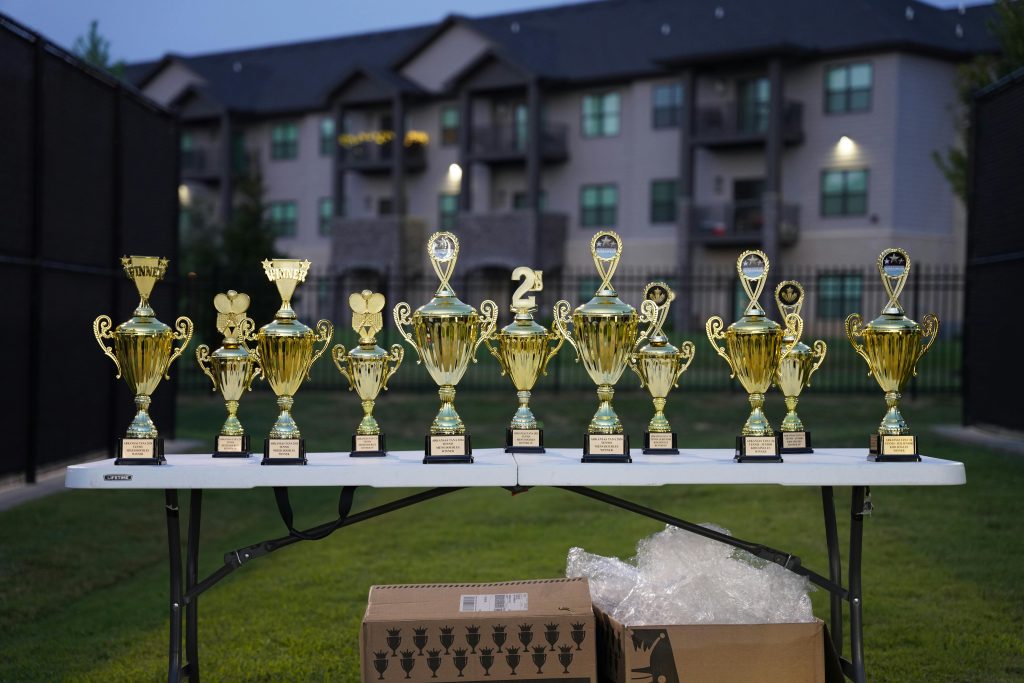
Future Ready National Game Tournament Expands to 22 States

By Nevada Acheson

The Future Ready National Game Tournament has achieved a major milestone, expanding its reach to 22 states across the country and engaging thousands of students in essential workforce readiness skills.
Tournament Growth

What began as a pilot program in three states has rapidly expanded due to overwhelming positive feedback from educators, students, and administrators. The tournament now serves over 150 schools and has engaged more than 10,000 students in competitive, gamified learning experiences.
Skills Development Through Competition

Students compete in various challenges designed to develop:

Communication Skills: Team collaboration and presentation challenges
Problem-Solving: Real-world scenarios requiring creative solutions
Leadership: Opportunities to guide teams and make decisions
Adaptability: Challenges that require flexibility and resilience
Initiative: Self-directed learning and proactive behavior

Educator Impact

“The Future Ready tournament has transformed how our students approach learning,” says Sarah Martinez, CTE Director at Denver Technical High School. “They’re not just memorizing facts—they’re developing the soft skills that employers desperately need.”
Looking Ahead

With the success of the current expansion, Ringorang plans to reach all 50 states by 2026. The tournament format continues to evolve based on participant feedback, with new challenge categories and enhanced digital tools being added regularly.
Join the Movement

Schools interested in participating in the Future Ready National Game Tournament can apply through our education partnerships program. Priority registration for the 2026 season opens this fall.

form header

Request a Demo

This field is for validation purposes and should be left unchanged.
This form collects information we will use to send you updates about promotions, special offers and news. We will not share or sell your personal information. You can unsubscribe at any time. Privacy Policy
By submitting your information, you agree to these Terms & Conditions.
Skip to content